
The Last Day of the Cruise: My Inner Cow Had to Sit This One Out
Today was the last day of the cruise, and if you've ever cruised, you know there's something about that final day that makes you believe your stomach has unlimited storage capacity.
Normally, by this point, I've eaten enough to feed a small village. But somehow, I always manage to find room for just a little more.
I turn into my inner cow. You know, the one with four stomachs. Somehow, I locate the other three that apparently weren't there the day before.
But this morning, I had a moment of reflection. Or maybe it was panic.
I looked in the mirror and saw someone who looked at least six months into gestation. Possibly seven. I'm not sure what the official measurement is, but my stomach was making a convincing argument.
So, I decided to behave myself.
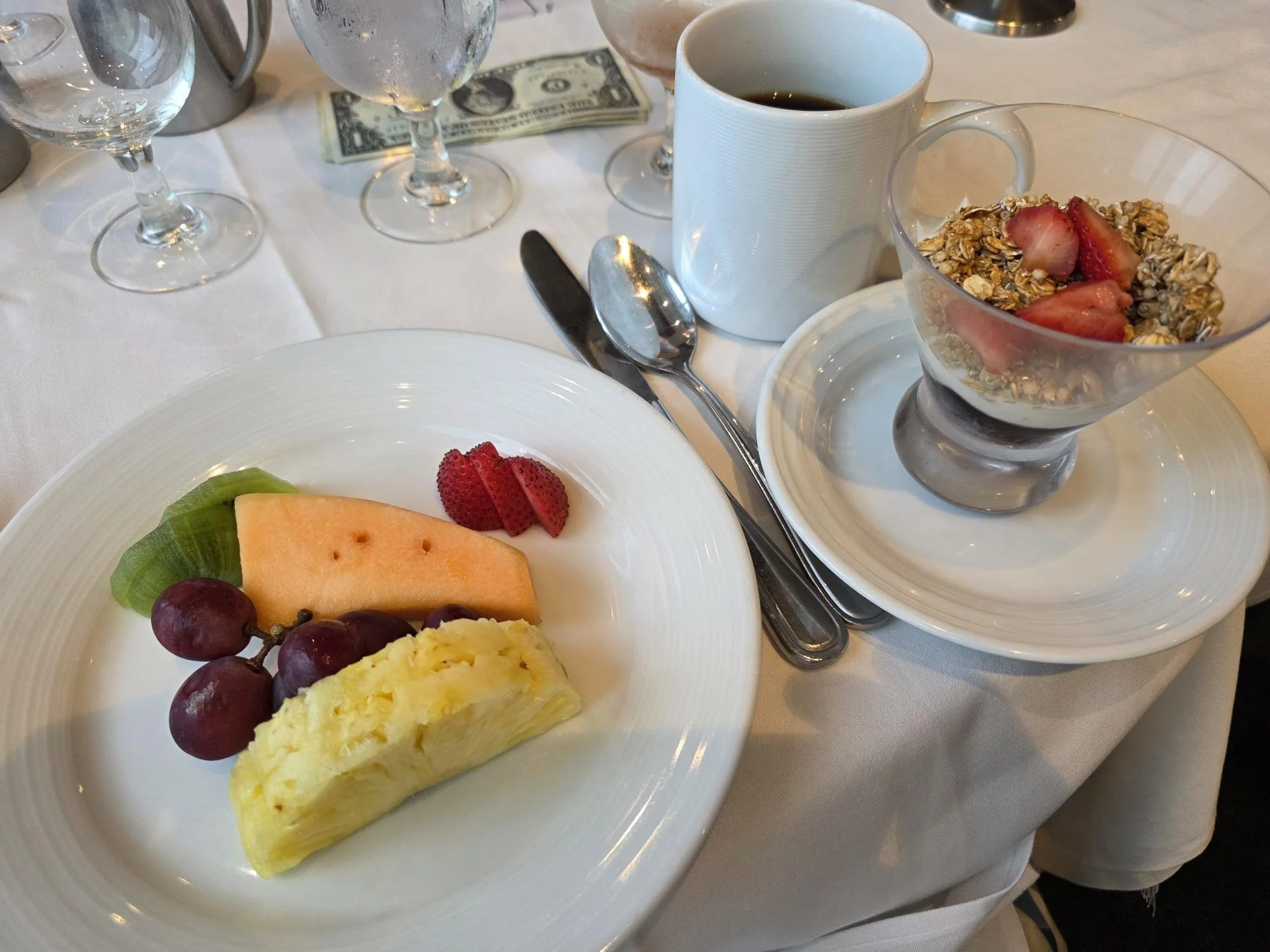
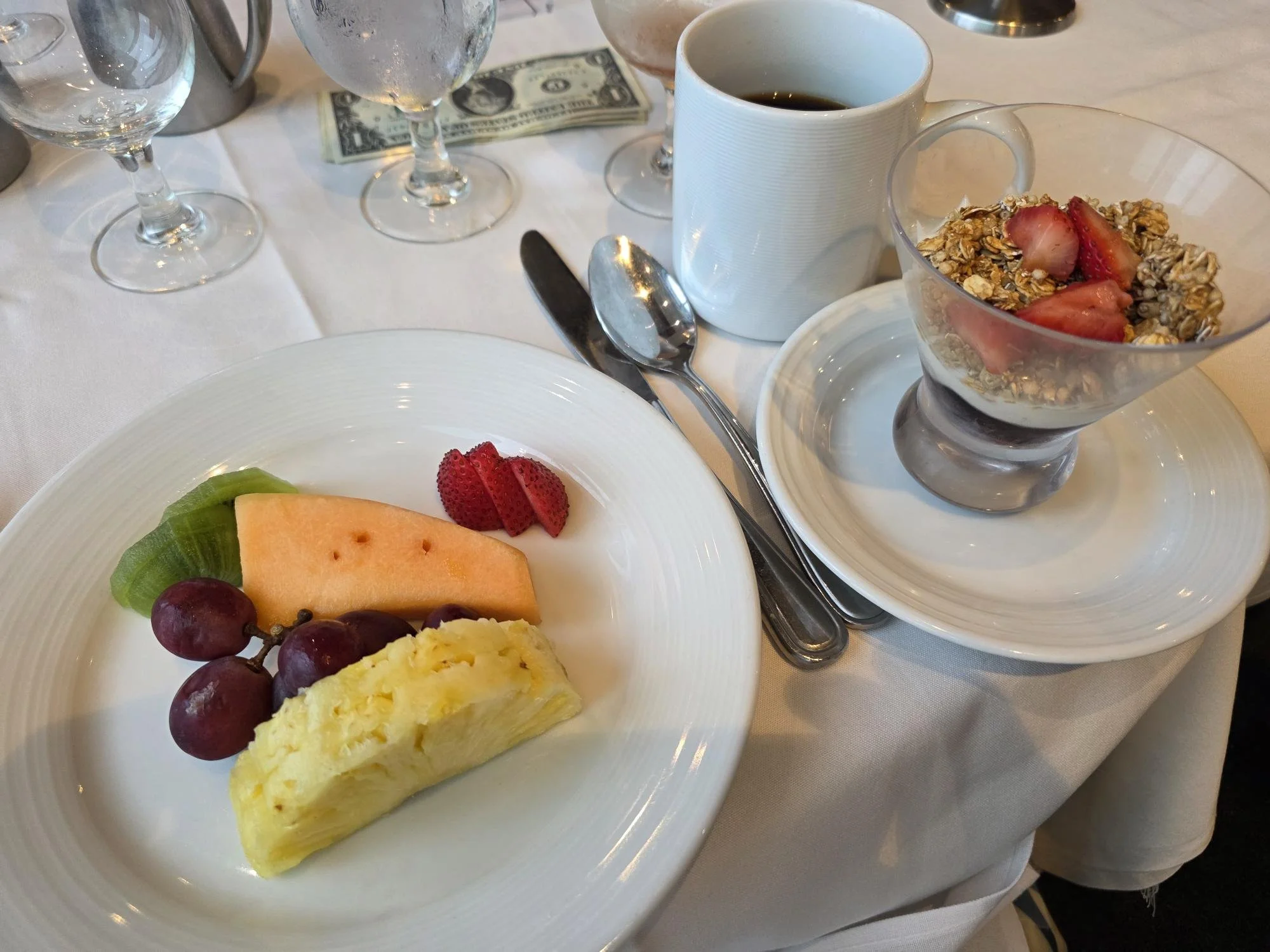
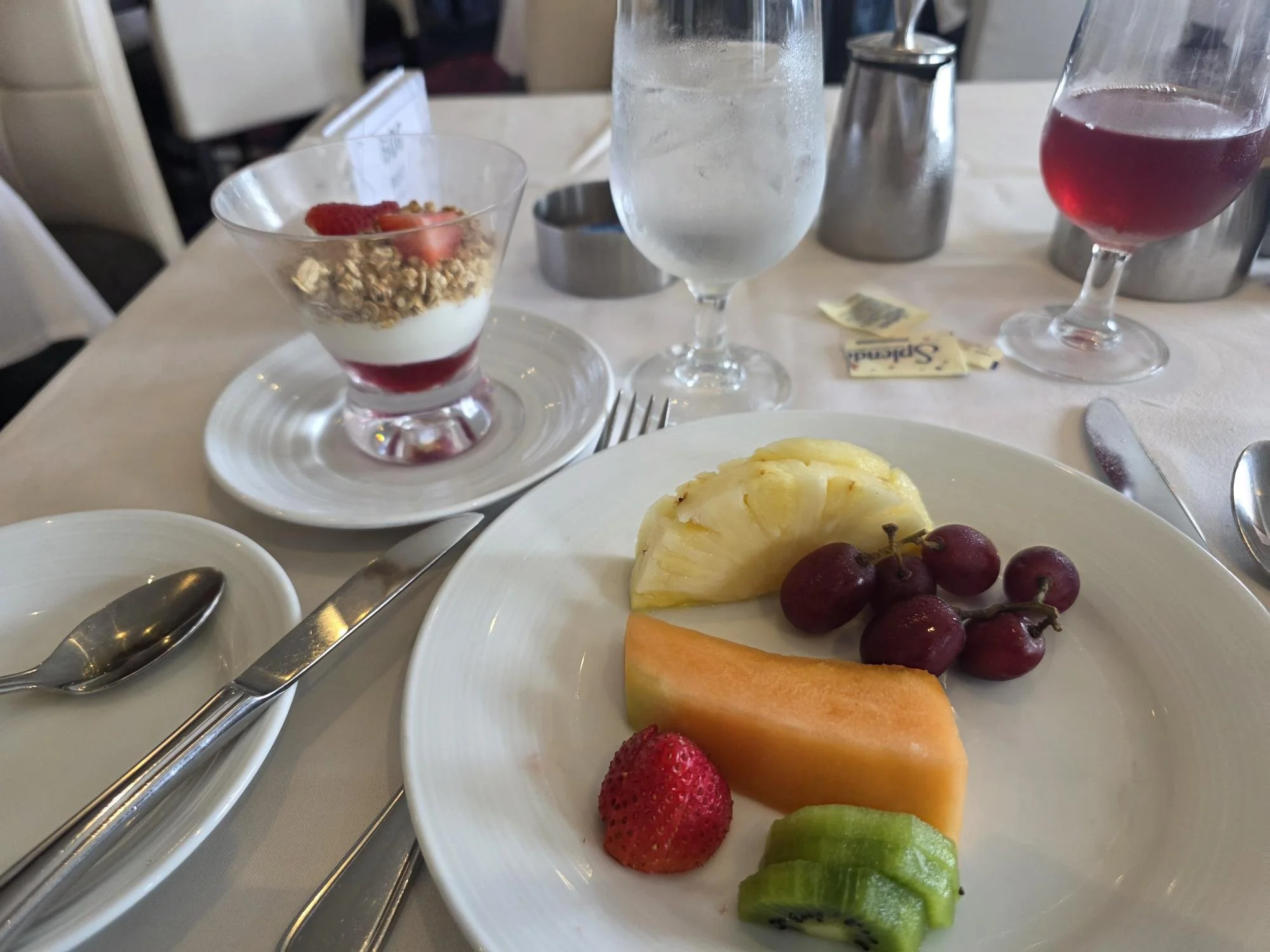
Breakfast was going to be light. I went with a strawberry parfait, a fruit plate, decaf coffee, and tap water.
Of course, the ship wasn't going to make this easy.
I was offered pastries, bacon, toast, pancakes, and plenty of other temptations. All the things that normally make me say, "Well, it's vacation!"
But not today.
I stuck with the options that were a little better for me. No bacon mountain, no pancake tower, and no pastry collection. Just fruit, yogurt, coffee, and water.
Look at me, exercising restraint on the final day of a cruise!
I'm not sure how long this new behavior will last once I'm back home, but for today, I'm calling it a victory.
My inner cow can take the day off. Those other three stomachs will have to wait until the next cruise.
And speaking of the next cruise... January 2027 isn't that far away, is it?

Day 140: Nextdoor Public Safety Alerts and Advertising — Is Anyone Thinking About the User Experience?

Day 140 of my Nextdoor case study.
Nextdoor posted two times on LinkedIn today, apparently making up for last week's lack of activity. One discussed winter travel, which I'll save for tomorrow. Today's post caught my attention because it focused on public agencies and Nextdoor's partnerships with them.
The post discusses how to write a better public safety alert, using guidance from the Behavioral Comms Lab.
Here's the LinkedIn post:
I'm sure the tool and guidance can be helpful. When public agencies communicate with residents during emergencies, the wording, timing, and clarity of an alert can make a real difference.
But, as usual, I noticed a couple of things that made me stop and ask questions.
First problem: The link doesn't work
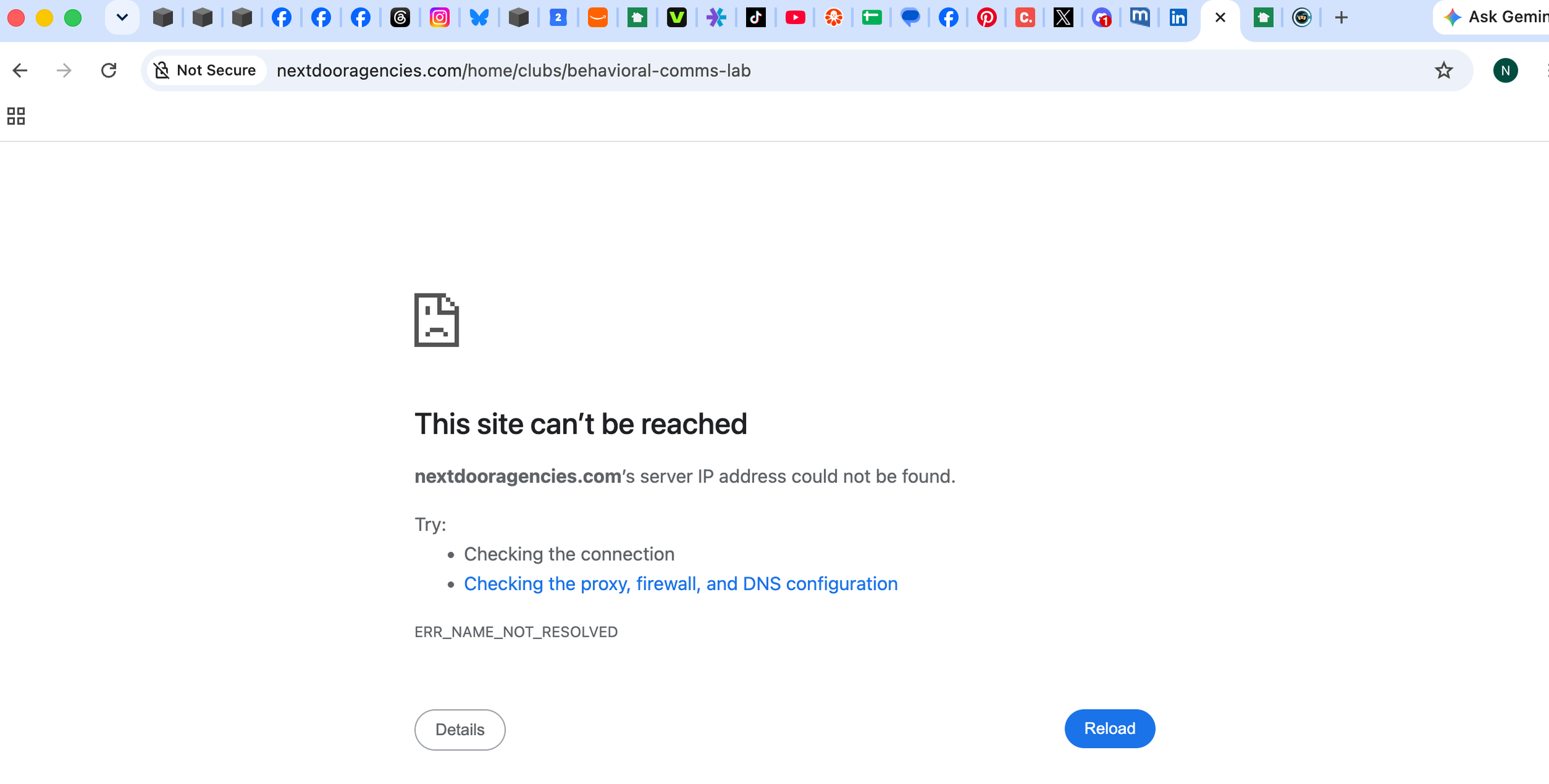
Nextdoor provided a link for readers who wanted to learn more about the Behavioral Comms Lab:
https://nextdooragencies.com/home/clubs/behavioral-comms-lab
I tried accessing it while sitting at Tampa International Airport, connected to public Wi-Fi. I initially had my VPN enabled. I turned it off and tried again.
I still couldn't access the resource.
So, let me get this straight. Nextdoor is promoting a tool intended to help public agencies communicate more effectively, but the link provided to learn more doesn't work for me.
Am I supposed to wait until I get home and use my private internet connection before I can access a guide on writing a better public safety alert?
Perhaps I've left danger behind and am now in a safer place because I'm using public airport Wi-Fi. Maybe that's the secret!
Of course, I'm being sarcastic. The point is that a link promoted publicly should work across ordinary internet connections. If access is restricted, the page should explain why. If the link is broken, someone should fix it.
Someone at Nextdoor should have tested this before publishing.
A simple quality-assurance check could have caught the problem.
Second problem: Where does the important alert appear?
This is where I have a bigger concern.
One of the ongoing complaints about Nextdoor is the amount of advertising appearing throughout the platform.
I understand advertising. It's a business, and advertising revenue helps keep the lights on. Nextdoor needs to generate revenue, attract advertisers, and build a sustainable business.
I'm not suggesting that advertising should disappear.
But let's talk about priorities.
If a public agency uses Nextdoor to publish an important alert about severe weather, a road closure, an evacuation, a public safety threat, or another urgent community issue, where does that alert appear in the neighbor's feed?
Will it be prominently displayed?
Or will a neighbor have to scroll past five, ten, or more ads before finding information that could matter to their safety?
That's not a trivial user-experience question.
An emergency alert should not have to compete with an advertisement for a product, service, or business.
The algorithm needs to understand the difference
Nextdoor should have a clear way to prioritize verified public agency alerts.
If the platform already has a system that prioritizes these messages, lead with that information. Explain how it works.
For example:
Are alerts from verified public agencies automatically prioritized?
Do they appear differently from ordinary neighborhood posts?
Are they protected from being buried by sponsored content?
Does the platform adjust their visibility based on urgency and geographic relevance?
Can an agency determine whether residents actually saw the alert?
These questions matter because publishing an alert and successfully communicating it are two very different things.
A public agency may do everything right: write a clear message, provide useful instructions, and publish it through an established partnership.
But if the platform doesn't deliver that message prominently to the people who need it, what has actually been accomplished?
The quality of the alert matters. So does the quality of the distribution.
Public agency partnerships come with responsibility
Nextdoor has an opportunity to be genuinely useful to communities through its relationships with public agencies.
That opportunity also comes with responsibility.
When residents rely on a neighborhood platform for local information, they need to know that important messages won't be treated like just another piece of content competing for attention.
I would like to see Nextdoor explain how it prioritizes public agency alerts, how it measures reach, and what safeguards prevent important information from being buried beneath advertising.
And while we're at it, please test the links included in your own promotional posts.
That's not asking for anything extraordinary. It's basic quality assurance.
Day 140: Nirav Tolia and the Nextdoor team, you're welcome.
Here we are at Day 140 of my case study. Another day of identifying things that deserve a closer look.
I keep providing feedback because I believe Nextdoor has tremendous potential. Public agency partnerships could be one of the platform's most valuable services.
But potential doesn't automatically translate into a good user experience.
Fix the broken links. Explain how public safety alerts are prioritized. Make sure critical community information gets visibility ahead of ordinary advertising.
Nirav Tolia and the Nextdoor team, you're welcome for the feedback. I'm trying to help you improve what I believe is severely broken.
And tomorrow, I'll turn my attention to that other LinkedIn post about winter travel.
One day, one Nextdoor post at a time.
One Last Night at Sea: Waves, Darkness, and a Little Bit of Spooky
I really enjoy certain things about cruising, and one of my favorites is sitting out on the balcony at night, watching and listening to the waves as they pass by.
There's something about being out there in the darkness, with nothing but the sound of the ocean and the occasional movement of the ship. It's peaceful, relaxing, and, depending on how you look at it, just a little spooky.
And that's exactly what makes it awesome.
Since this was the last night of my cruise aboard Royal Caribbean's Radiance of the Seas, I decided to take advantage of the opportunity. I grabbed some time on the balcony, sat back, and watched the ocean roll by.
Unfortunately, Mother Nature didn't quite cooperate with the evening's entertainment. The sky was cloudy, so no moon shone down on the water and no stars were out to admire. That was a bummer. A moonlit ocean would have made the experience even better.
But even without the moon and stars, something about being out there felt special. The darkness, the sound of the waves, and the feeling of being surrounded by the ocean are hard to replicate anywhere else.
It's one of those moments when you don't need an excursion, a show, a fancy dinner, or even a towel animal waiting in your stateroom. You just need a balcony, a little quiet, and the ocean.
The cruise was coming to an end, and tomorrow would mean packing up, heading to the airport, and returning to everyday life. So I was happy to spend a little time enjoying one last night at sea.
I may not have gotten the moon and stars, but I got the waves.
And sometimes, that's more than enough.
Bacon Intervention, Food Comas, and Packing Up: My Last Full Day on Radiance of the Seas
After declaring a bacon intervention earlier this morning, I figured I'd write about today's food encounters. If you missed the earlier post, scroll back a few entries to find out why I decided I needed to slow down with the bacon.
Today was my last full day aboard Royal Caribbean's Radiance of the Seas, and I managed to squeeze in some relaxation, a couple of excellent meals, an accidental public nap, and the not-so-glamorous business of packing up.
Deck 5: Ocean Waves and a Little Afternoon Therapy
I spent some time on Deck 5, stretched out on a chaise lounge, watching the waves go by.
There's something incredibly relaxing about being that close to the ocean. You hear the waves, feel the ship move, and let the gentle rocking of Radiance of the Seas do its thing.
I was being rocked like a newborn.
It was peaceful, relaxing, and exactly what I needed.
Eventually, though, it was time for lunch.
Lunch: The Bacon May Be Gone, But the Shrimp Has Arrived
Lunch was awesome!
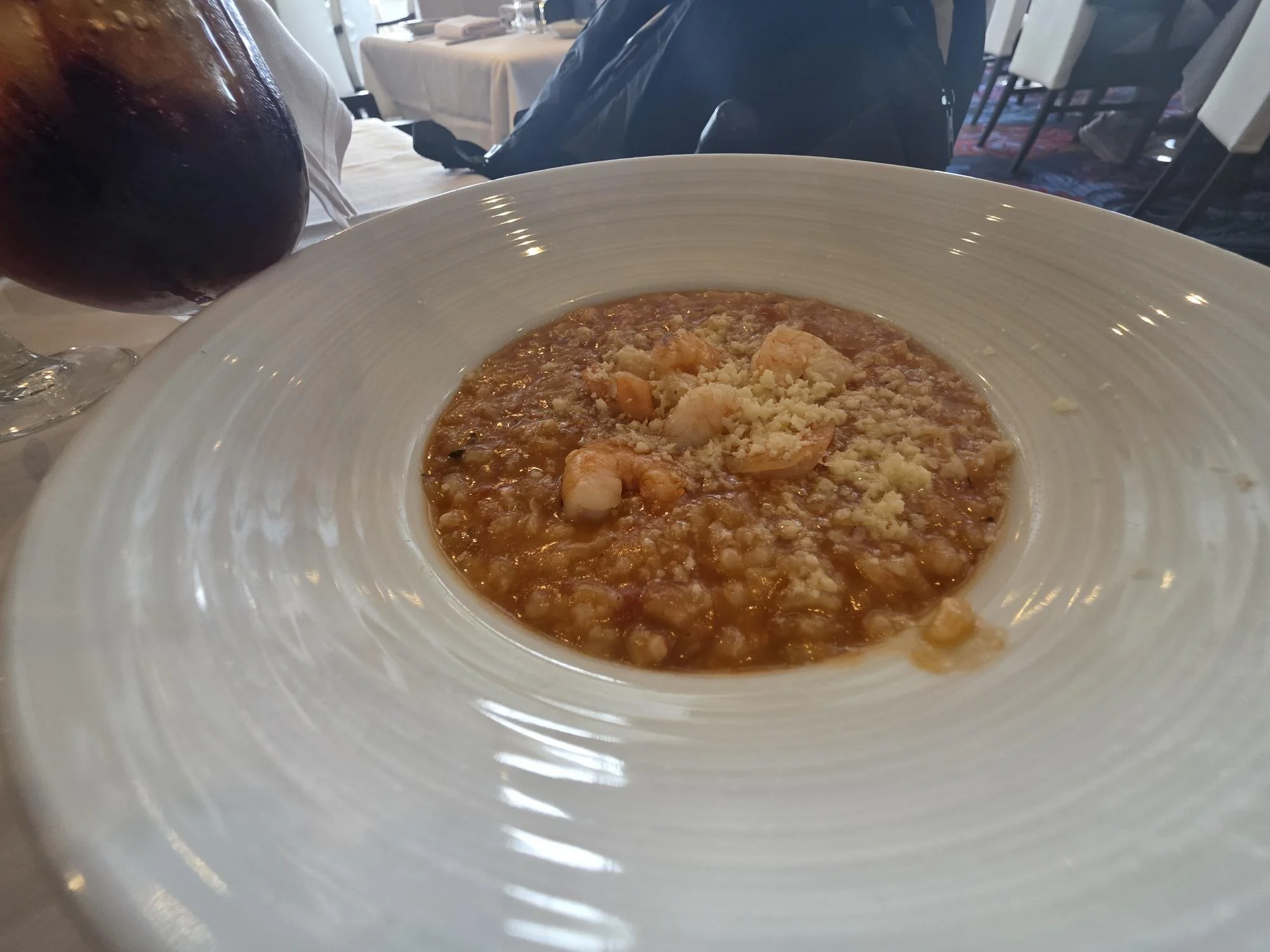
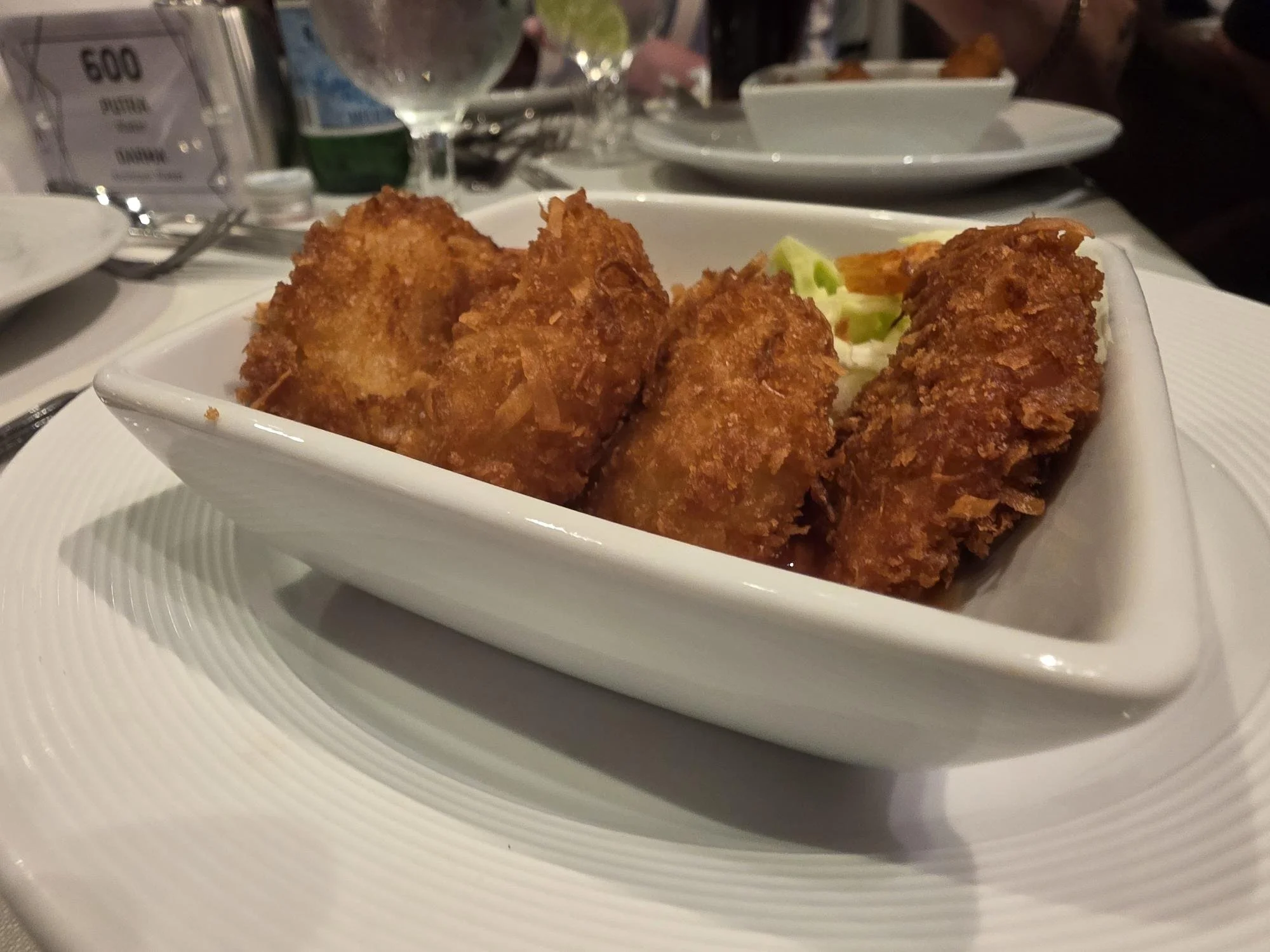
My selections included:
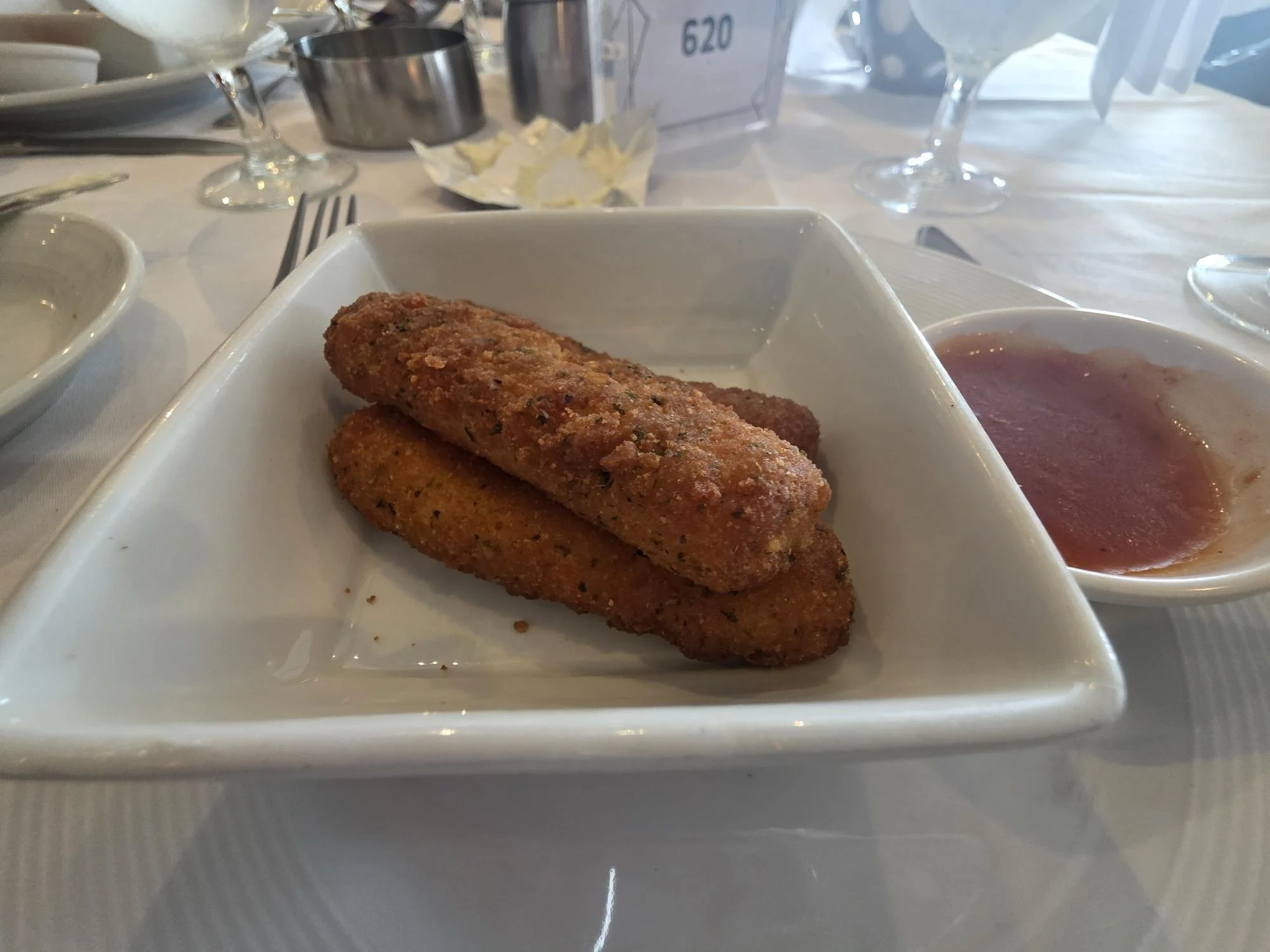
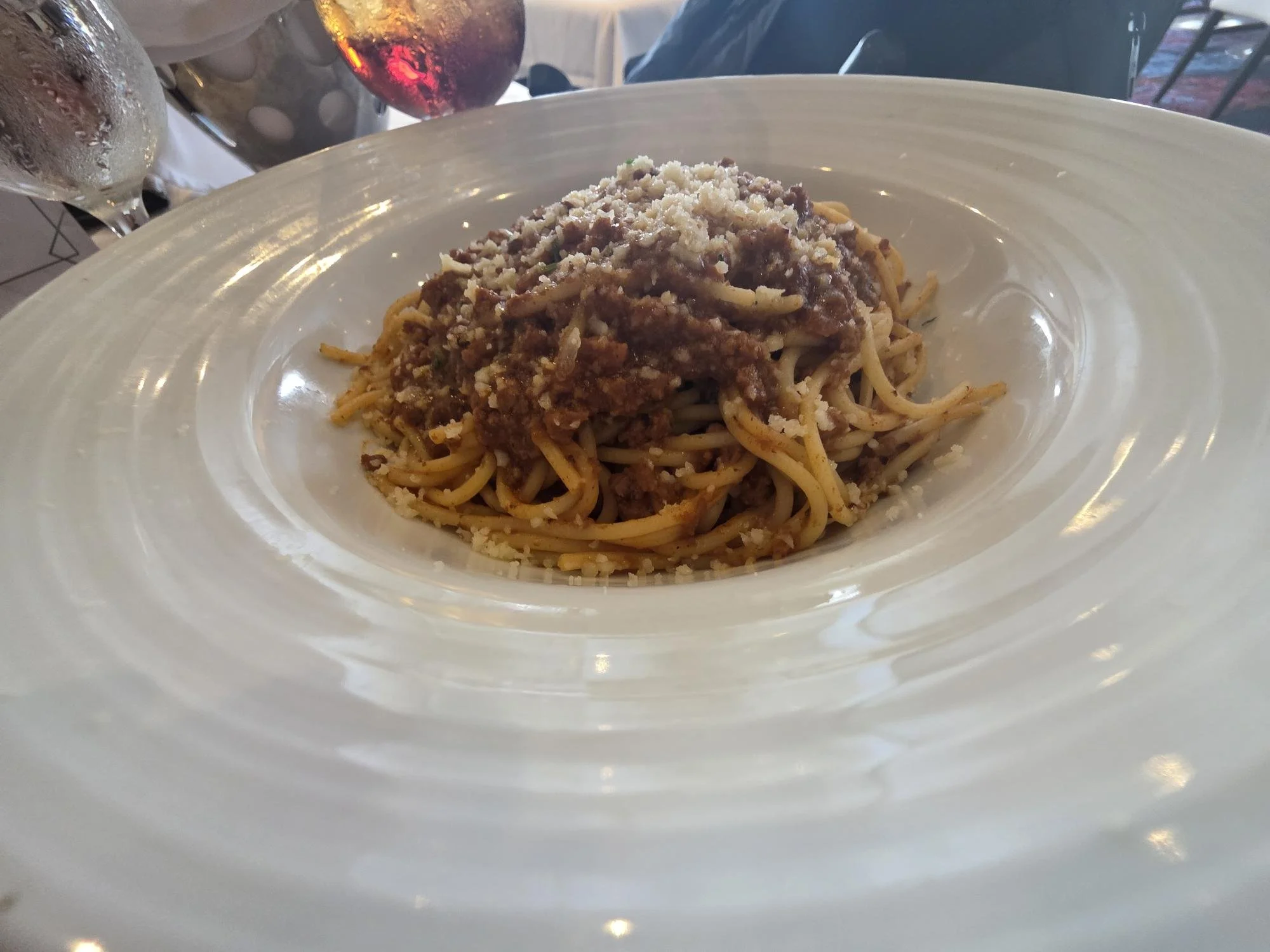
Mozzarella sticks
Coconut shrimp
Shrimp risotto
Spaghetti Bolognese
Coke Zero
That's a pretty respectable lunch lineup.
I managed to resist dessert. Not because I didn't want any, but because there simply wasn't any room left.
Apparently, the bacon intervention doesn't necessarily mean a complete intervention from all the other food options aboard the ship.
The Nap That Wasn't Supposed to Happen
After lunch, I returned to Deck 5 and reclaimed my same chaise lounge.
I figured I'd relax a little longer, listen to the ocean, and enjoy the afternoon.
Well, I passed out.
And I mean REALLY passed out.
I actually heard myself snoring!
At some point, I woke up and discovered that I'd been drooling.
That's when I decided this wasn't just a little rest. I needed an actual nap.
I made my way back to the stateroom, found the towel animal waiting for me, and crawled into bed.
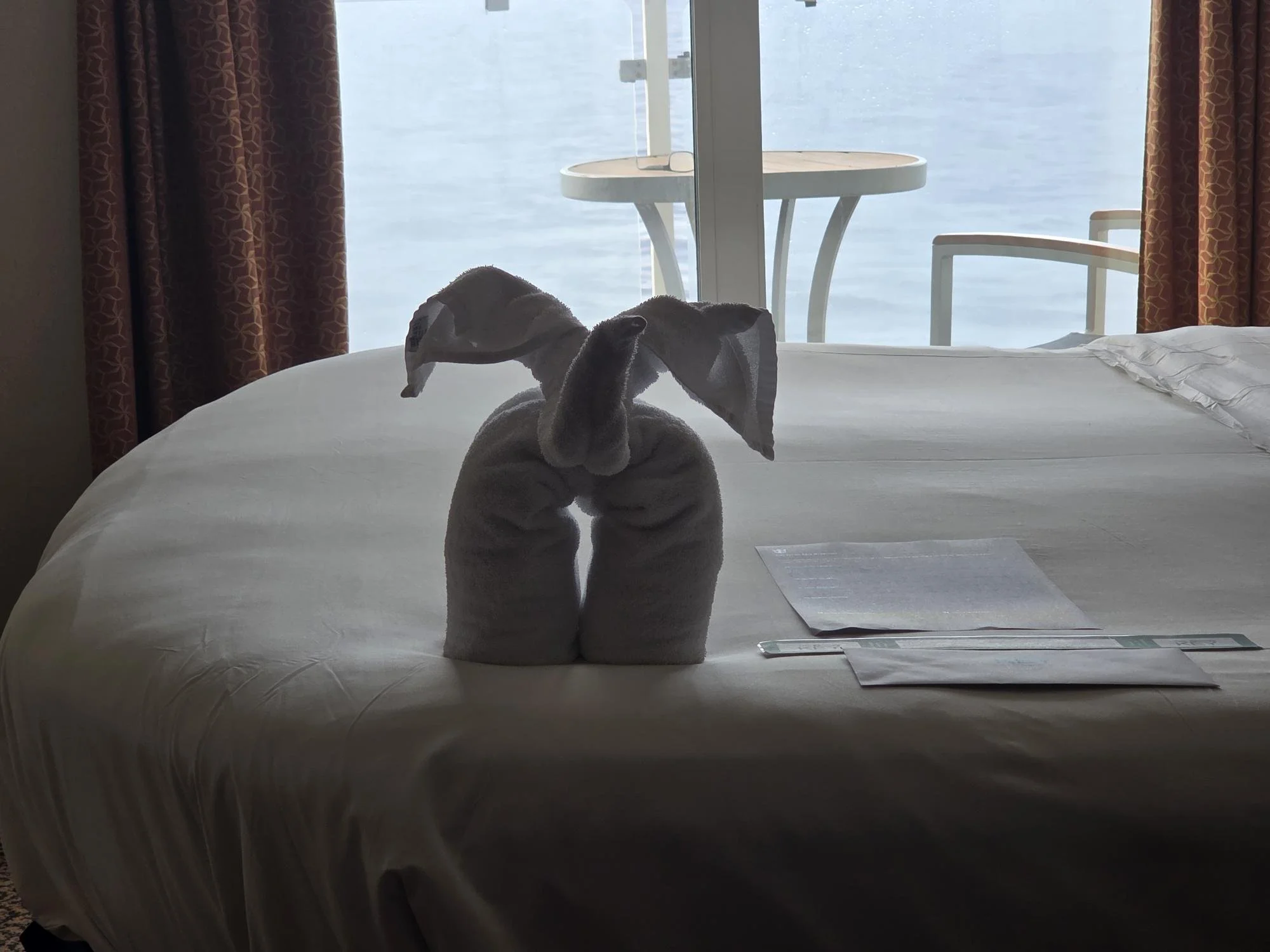
Apparently, the combination of good food, ocean air, and the ship's gentle rocking had done its job.
Packing: The End-of-Cruise Reality Check
Before I knew it, it was 5:45 PM, and dinner was about an hour away.
Time to shower and start getting organized.
The luggage pickup was scheduled for around 10 PM, when the bags would be collected and transported to the cruise terminal.
After my shower, I started packing.
I had about 15 pounds of clothes I never wore, along with the clothes I did wear and now needed to wash.
I put everything into two separate vacuum travel bags, compressed them, and stuffed them into my suitcase.
Then there was the tequila I purchased in Cozumel, along with the other gifts for Airica.
And, of course, I had picked up a Royal Caribbean hoodie pullover for myself.
At this point, my suitcase was becoming a little overweight.
I'm not sure whether I packed for a four-night cruise or relocated my entire wardrobe.
Dinner: One Last Food Adventure
Down to dinner!
The final dinner aboard Radiance of the Seas was another winner.
Here's what I had:
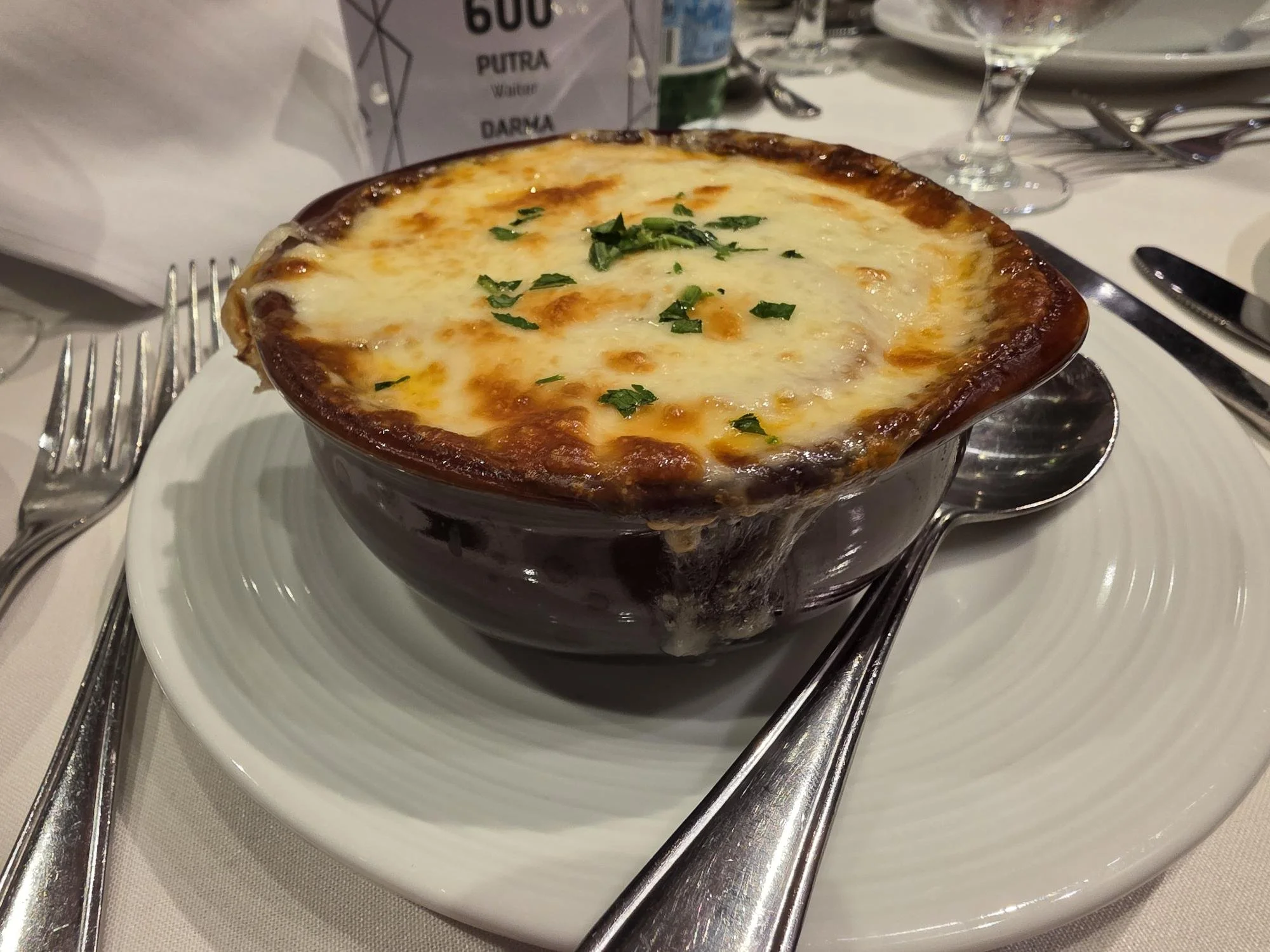
French onion soup
Coconut shrimp
Pork bao tacos
Jerk pork chops with plantain, red beans and rice, and a dumpling
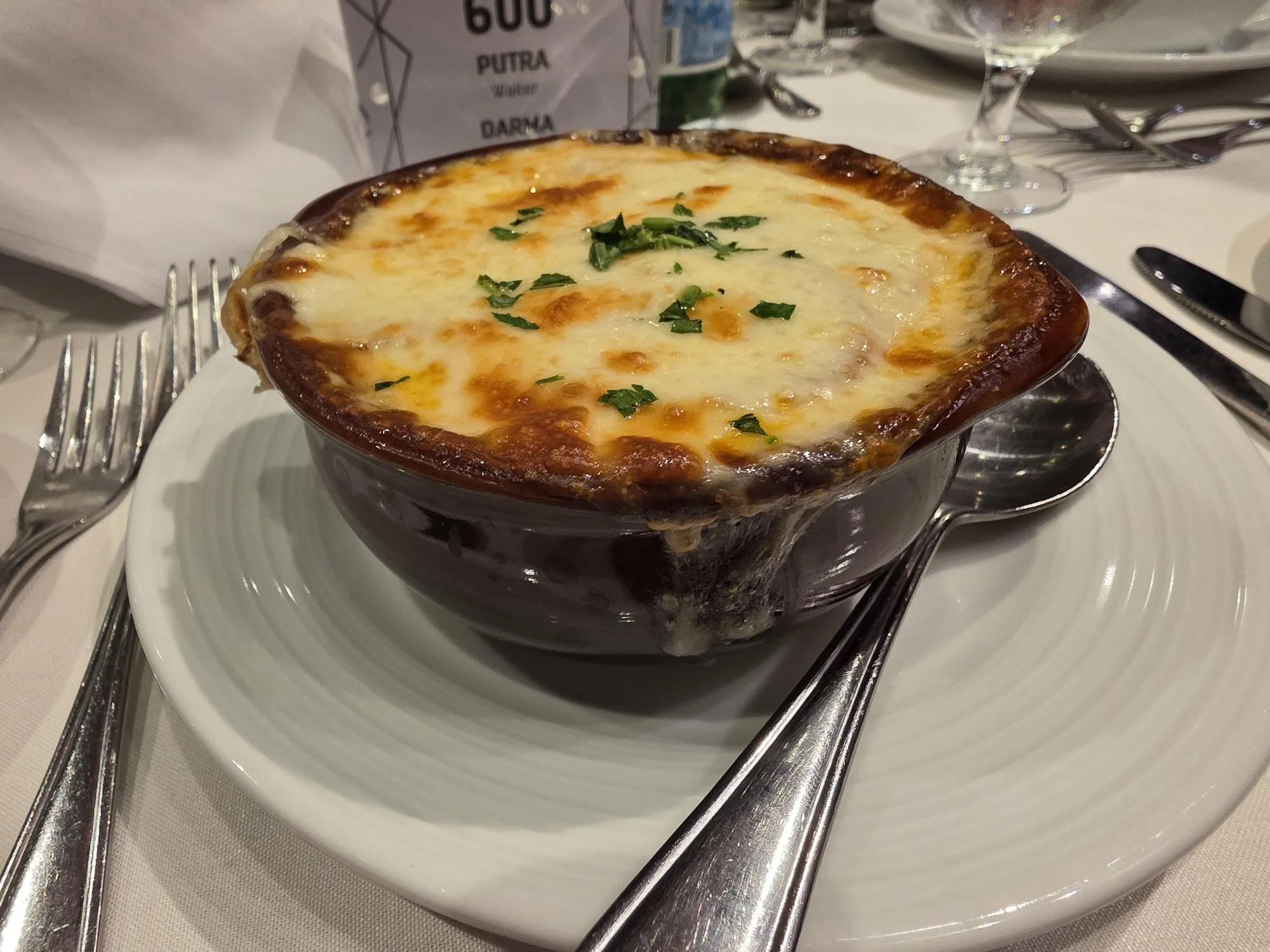
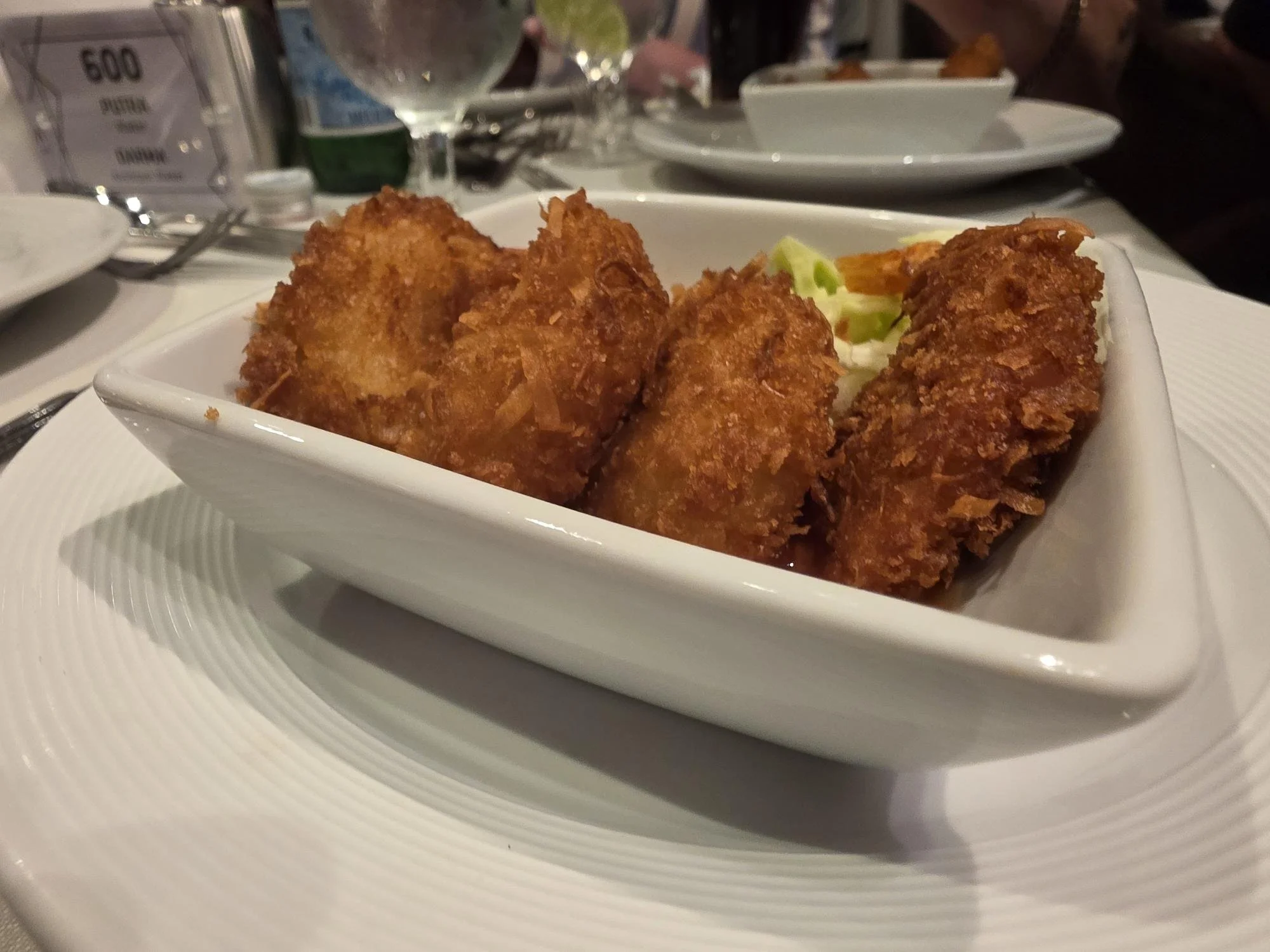

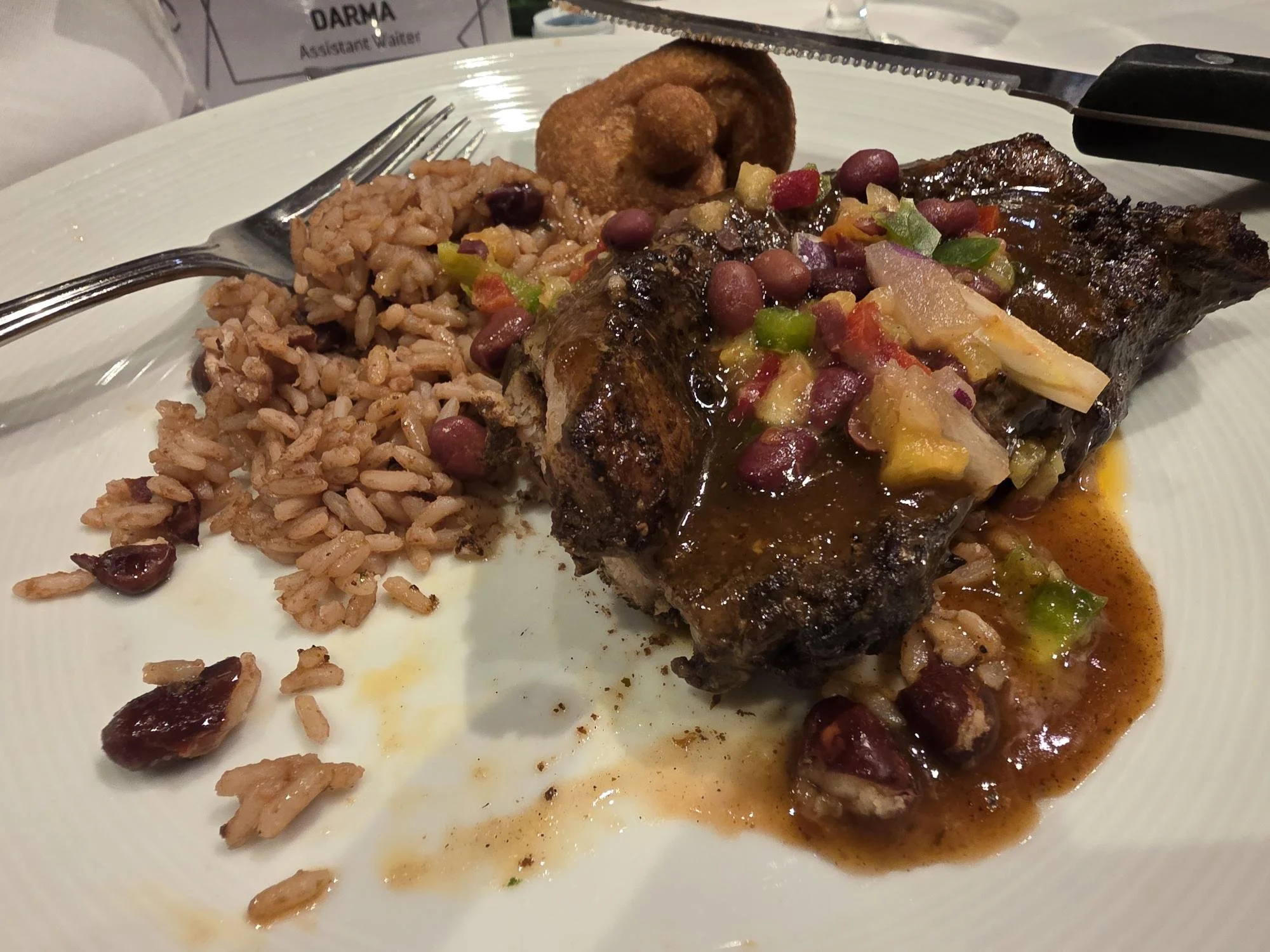
I started with the soup and appetizers before moving on to the main course.
The jerk pork chops were delicious, but I couldn't finish them. I was simply too full. I didn't even touch the rice.
And, once again, no dessert.
I washed everything down with a Pellegrino and a Coconut Lime Refresher, which contains zero alcohol.
For someone who started the day talking about a bacon intervention, I certainly didn't take it easy on the rest of the menu!
The 8:30 PM Gift Shop Drawing
After dinner, I headed to the gift shop for the 8:30 PM drawing.
The event was presented as an opportunity to show appreciation to customers, which sounds nice.
However, it also turned out to be another way to encourage people who had already purchased merchandise to buy even more.
I passed.
I didn't win the drawing either, so that was that.
I made my way back to the stateroom, started removing things from the cabin safe, and settled in to write this blog.
Tomorrow: Homeward Bound!
Tomorrow morning, it's time to leave the ship.
My flight out of Tampa International Airport (TPA) is scheduled for around 12:30 PM.
As a Key member, breakfast begins at 7:45 AM, with a nice, calm sit-down breakfast before disembarkation.
That's one of the things I appreciate about The Key. Having a little breathing room in the morning instead of fighting the crowds for breakfast is a nice way to wrap up the cruise.
Then it's off to TPA.
Hopefully, the flight goes smoothly, everything works as it should, and there are no engine fuel leaks.
Yes, I'm going to be paying attention to that one!
One Last Look Back
This cruise has been quite an experience.
I've had unexpected conversations with strangers about my prosthetic, encounters with a prosthetics professional and a military veteran, Halloween festivities, towel animals, Cozumel shopping adventures, and plenty of food.
I've also had some opportunities to relax, enjoy the ocean, and appreciate the people who make the cruise experience what it is.
And, apparently, I've eaten enough to require a formal intervention.
The bacon and I may need some time apart, but I'm sure we'll reconnect eventually.
For now, it's time to pack up, get some sleep, and head home.
Thanks for following along with my Radiance of the Seas adventure. There's still more to come!
Stay tuned!
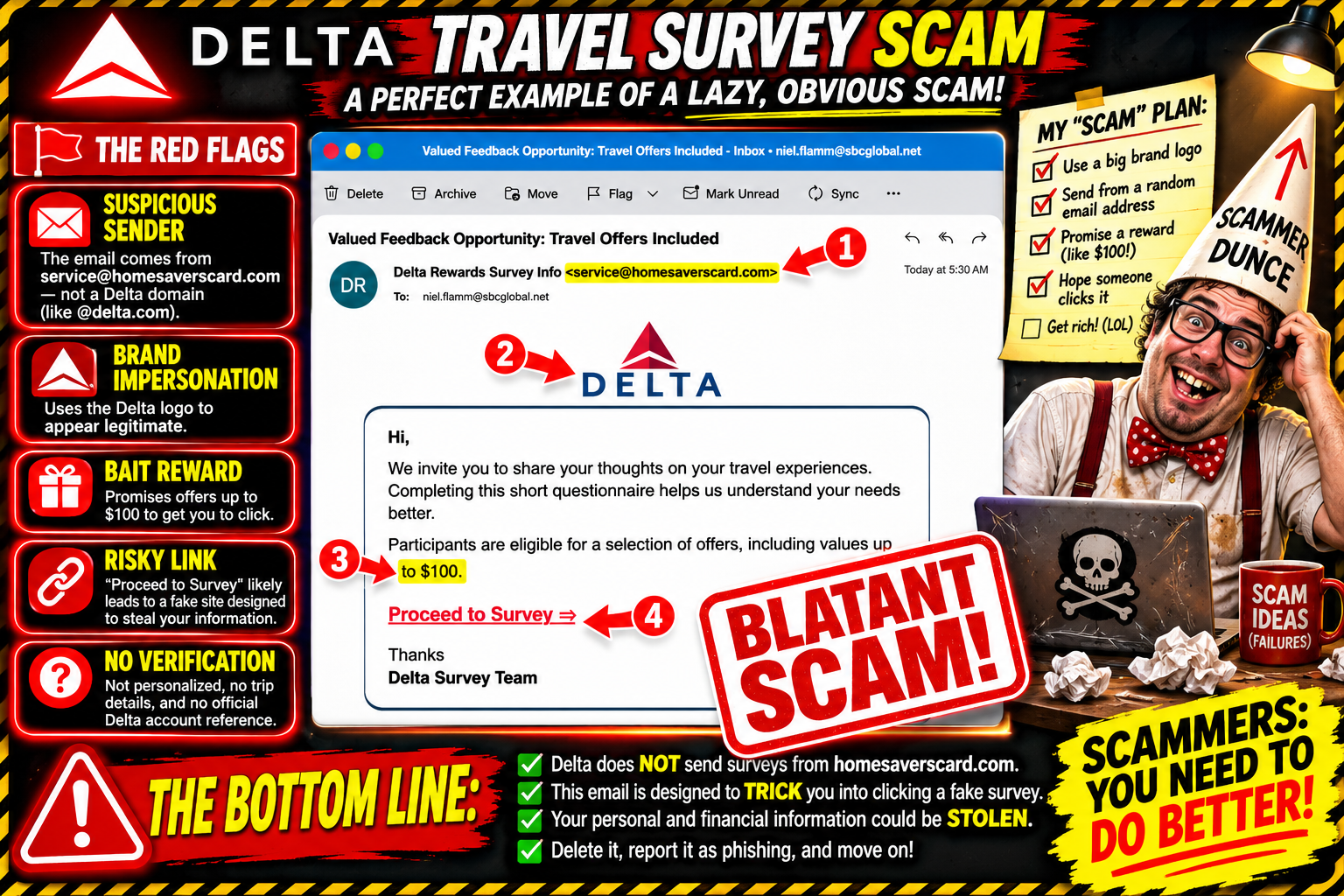
Delta Airlines Wants My Travel Opinion? Apparently, I'm Worth Up to $100! 😂
My inbox has another opportunity for me today.
This time, I'm apparently being invited to share my travel experiences with Delta Airlines in exchange for a chance to receive offers worth up to $100.
Well, isn't that generous?
The email arrived with the subject line:
“Valued Feedback Opportunity: Travel Offers Included”
The sender identifies itself as Delta Rewards Survey Info, but the actual email address is:
Wait a minute.
Delta Airlines... and Home Savers Card?
Something doesn't quite add up.
The Offer: Tell Us About Your Travel and Get Up to $100
The email features the Delta logo and a message inviting me to share my thoughts about my travel experiences.
It says completing a short questionnaire will help the company better understand my needs.
And here's the reward:
Participants are eligible for a selection of offers, including values up to $100.
There's a big red link encouraging me to:
Proceed to Survey
The message is short, polished enough to look like a promotion, and uses a familiar airline brand.
But the sender's actual email domain doesn't appear to have any connection to Delta.
That's my first red flag.
Delta? Home Savers Card? Who Is Actually Sending This?
Here's what we have.
Display name: Delta Rewards Survey Info
Actual sender: service@homesaverscard.com
Subject: Valued Feedback Opportunity: Travel Offers Included
Offer: A survey about travel experiences
Potential reward: Offers valued up to $100
Call to action: Proceed to Survey
The email uses Delta's branding, but the sender address raises a very reasonable question: who is actually behind this message?
I can't identify the sender or the survey link's destination from the screenshot alone. I also can't confirm whether the advertised reward exists.
But I certainly wouldn't click the link to find out.
If Delta wants my feedback, I'll go directly to Delta's official website or app and check for a legitimate survey or promotion.
I don't need an unrelated-looking email domain as a middleman.

Scammers, You Need to Do Better!
Here's something I've been thinking about as I keep documenting these messages.
Some of these scammers are making it far too easy to recognize that something is wrong.
If the goal is to convince people that a message is legitimate, why are there so many obvious inconsistencies?
Delta Airlines using a Home Savers Card email address?
A free Medicare Kit from a random Gmail account?
A USPS Cart offered through an unrelated survey domain?
A recruiter promising a six-figure opportunity without identifying the actual job?
Come on!
At some point, the lack of effort becomes the biggest warning sign.
I'm not suggesting criminals need coaching or that I want to help them succeed. Quite the opposite. I'm pointing out how frequently these messages fall apart under even a little scrutiny.
Think About the Movies: The Criminals Who Actually Planned
I recently mentioned movies like Ocean's Eleven, The Italian Job, and The Town when discussing a suspicious recruiting message.
Those fictional capers involved planning, preparation, coordination, and attention to detail.
The characters didn't just show up, announce what they were doing, and expect everything to work out.
And that brings me to a broader observation.
Criminals who attempt bank robberies, pass counterfeit checks, or use stolen identities to purchase expensive items can get caught because they make mistakes, overlook details, underestimate the people investigating them, or leave evidence behind.
Being involved in a crime doesn't make someone clever. And getting away with something temporarily doesn't mean someone has a good plan.
The same general principle applies to these suspicious emails: the more obvious the inconsistencies, the easier it is for recipients to recognize the warning signs.
The real objective here isn’t to help scammers improve. It's to help potential victims recognize the nonsense before they lose money or personal information.
The Problem With These Messages
A familiar brand name can make people let their guard down.
When someone sees Delta, MyChart, USPS, PayPal, or another recognizable organization, they assume the message deserves attention.
Then comes the offer:
Complete a survey.
Claim a reward.
Receive a free gift.
Confirm an account.
Resolve an unexpected charge.
The next step often involves clicking a link or providing information.
That's where I want people to slow down.
A logo is not proof of legitimacy. A familiar company name is not proof of legitimacy. A professional-looking email is not proof of legitimacy.
And an offer worth up to $100 doesn't mean you're actually receiving $100.

What I'm Doing With This One
I'm not clicking the survey link.
I'm not providing personal information.
I'm not giving the sender access to my travel preferences, accounts, or payment information.
If I want to participate in a Delta survey, I'll verify it through Delta's official channels.
And if the offer can't be independently verified, it can stay right where it belongs: in my suspicious-email collection.
The Bottom Line: Don't Make It Easy for Them to Fool You
I know these emails can be convincing to people unfamiliar with phishing tactics. That's why I keep sharing examples.
Not everyone has the time or experience to examine an email address, inspect a link, or recognize when a familiar brand is being used in a questionable message.
That's also why these messages deserve attention.
I don't want people to lose money because they thought they were claiming a travel reward, receiving a medical benefit, or responding to a legitimate company.
As for the supposed Delta offer, I'll pass.
My travel feedback isn't worth handing over my personal information to an unverified sender.
Have you received a similar survey or reward offer using a familiar company logo? Send me a screenshot at niel@nielflamm.com. Please remove personal and financial information first.
I'll keep collecting these examples and sharing the warning signs.
And to the people sending these messages: if your email falls apart the moment someone looks at the sender address, perhaps it's time to rethink your business model.
Actually, no. Better yet, find something legitimate to do.
I'll keep watching. And I'll keep sharing.